
How to Create a Premium Brand That Creates Impact
(A Premium Branding, Luxury Branding & Brand Positioning Guide by O2 Advertising)
In a world flooded with choices, premium brands don’t shout — they resonate. They command attention not by being everywhere, but by being exactly where they should be, with clarity, confidence, and consistency.
This premium blog is a deep dive into how premium and luxury brands are built, how they differ, and how businesses can create a high-impact brand presence through strategic positioning, design thinking, and digital execution.
What Is Premium Branding?
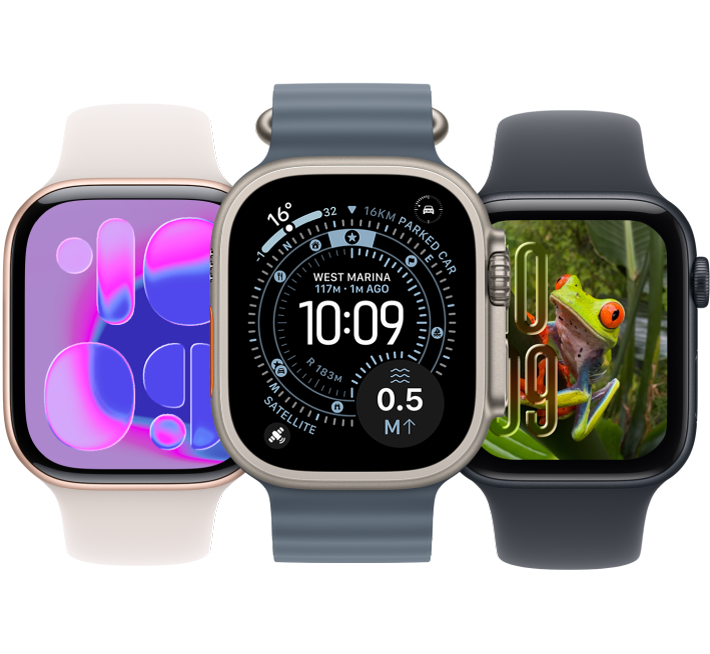
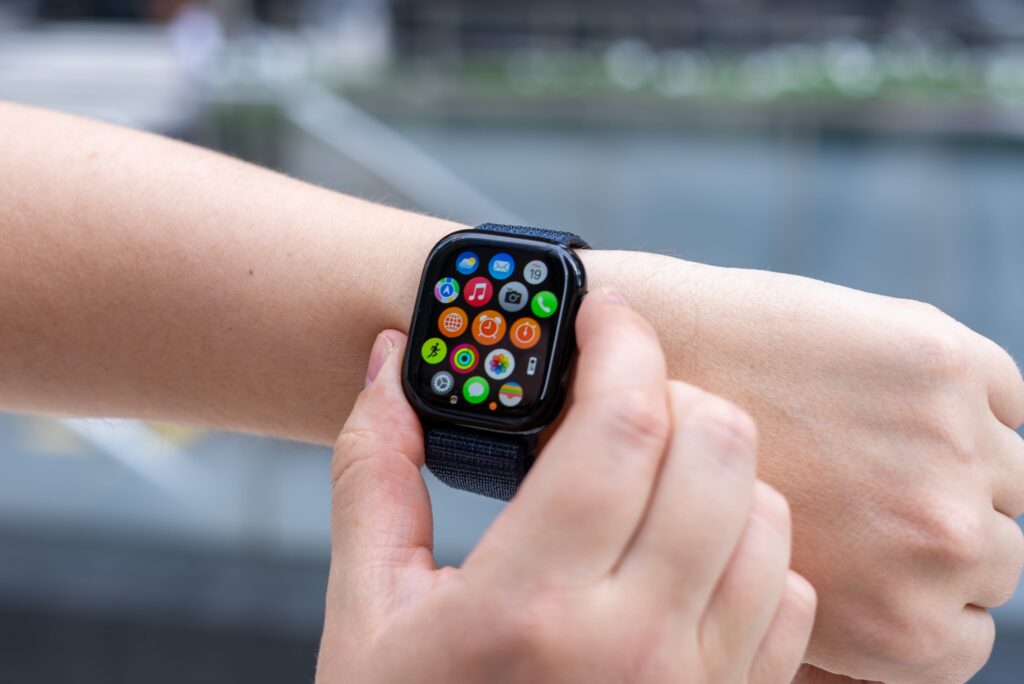
Premium branding is the art and science of positioning a brand as superior, desirable, and worth paying more for — not because it is expensive, but because it is valuable.
A premium brand delivers:
- Exceptional perceived value
- Emotional connection
- Thoughtful design and storytelling
- Trust, credibility, and consistency
Premium branding is not about luxury alone. It is about intentional excellence.
Premium is not a price point. It’s a mindset.
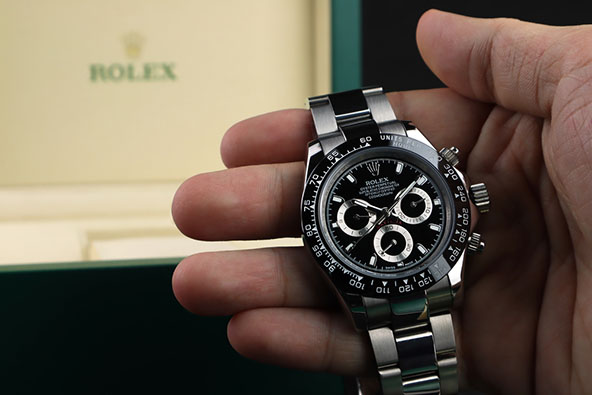
What Is Luxury Branding?
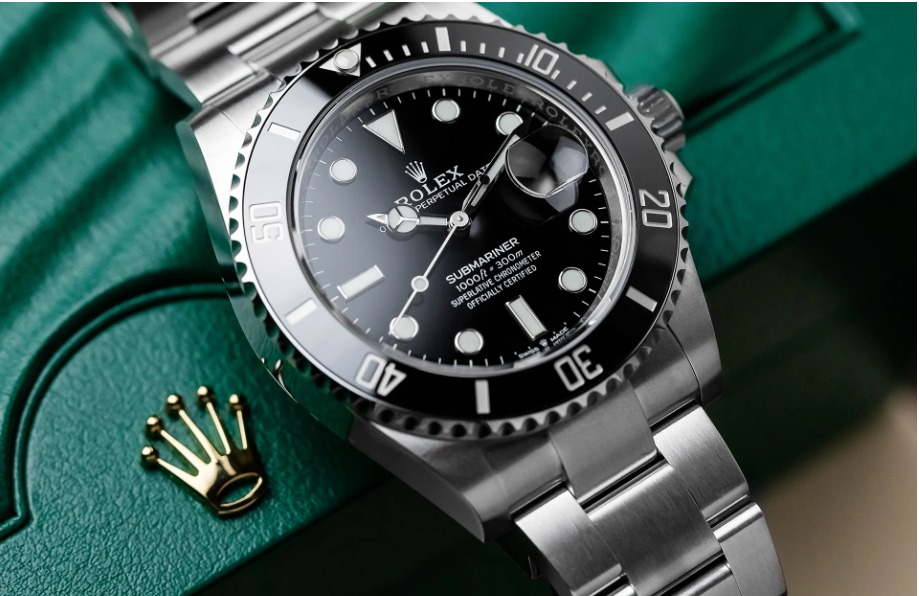
Luxury branding goes a step beyond premium.
Luxury brands are built on:
- Heritage or craftsmanship
- Scarcity and exclusivity
- Status and aspiration
- Cultural symbolism
Luxury is not made for everyone — and that is the point.
This luxury blog perspective highlights that luxury brands often limit access, distribution, and even communication to maintain desirability.
Aspect | Premium Branding | Luxury Branding |
Accessibility | Selective but available | Highly exclusive |
Pricing | Higher due to value | Higher due to status & rarity |
Audience | Quality-conscious buyers | Ultra-affluent & aspirational |
Storytelling | Value, experience, design | Heritage, legacy, symbolism |
Growth | Scalable | Controlled |
In short:
- Premium brands win on value and relevance
- Luxury brands win on status and aspiration
The Core of Brand Positioning in Premium Branding
Strong brand positioning answers one simple question:
Why should the customer choose you — even when cheaper options exist?
Premium brand positioning is built on:
- Clear differentiation
- Sharp consumer insight
- Strong emotional hook
- Visual and verbal consistency
Without positioning, even the most beautiful brand fails to create impact.
Dos and Don’ts of Premium Branding - Basic Rules
✅ Dos of Premium Branding
- Be consistent everywhere (visuals, tone, experience)
- Invest in research before design
- Communicate less, but communicate better
- Use minimalism with meaning
- Charge confidently — don’t justify pricing
❌ Don’ts of Premium Branding
- Don’t copy luxury brands blindly
- Don’t overload design with elements
- Don’t discount frequently
- Don’t chase every trend
- Don’t speak to everyone
Premium branding is about clarity, not clutter.
O2 Advertising’s 3-Step Process for Premium Branding
At O2 Advertising, premium brands are not designed — they are discovered, defined, and designed.
STEP 1: DISCOVERY
This is the foundation of impactful premium branding.
# Market Analysis
- Industry size and growth
- Cultural and regional insights
- Emerging premium consumption patterns
# Competitor Analysis
- Direct and indirect competitors
- Visual language audit
- Messaging gaps and opportunities
# Consumer Buying Behaviour
- Decision triggers
- Emotional vs rational drivers
- Purchase context and usage environment
# Positioning – Value–Pricing Grid
Brands are mapped across:
- High value – High price (True Premium)
- High value – Medium price (Smart Premium)
- Low value – High price (Risk Zone)
- Low value – Low price (Commodity)
This grid defines where the brand must exist — not where it wants to.
STEP 2: DETAIL STRATEGY & MOOD BOARDS
Once positioning is locked, creativity begins with strategy.
Strategic Mood Boards for Creatives
At O2 Advertising, we present 3 distinct creative directions, each aligned with the brand’s premium positioning:
- Classic Premium – Timeless, elegant, restrained
- Modern Minimal – Clean, confident, contemporary
- Bold Signature – Distinctive, artistic, statement-driven
Each mood board includes:
- Visual references
- Color psychology
- Typography direction
- Texture & material inspiration
- Emotional tone
Mood boards ensure alignment before design execution.
STEP 3: DESIGN EXECUTION (Post Mood Board Selection)
Once a mood board is selected, the brand comes alive.
Design Elements Defined
- Concept: Central creative idea
- Colour Palette: Premium hues with hierarchy
- Elements & Icons: Custom-built, not generic
- Patterns: Subtle, repeatable brand signatures
- Imagery Style: Editorial, lifestyle, or architectural
- Tone & Personality: Confident, calm, authoritative
Every element works together to create a cohesive premium experience.
How Premium Brands Should Use Digital Media (Maximum ROI)
Premium branding is not anti-digital — it is digitally selective.
- Instagram as a Digital Lookbook
– Fewer posts, higher quality.
– Grid aesthetics over volume.
– Lifestyle storytelling
- Website as a Brand Experience
– Minimal navigation.
– Strong visual hierarchy.
– Slow, deliberate storytelling
- Performance Ads with Brand Filters
– No aggressive CTA.
– Premium copywritin.
– High-quality visuals only
- Content Marketing with Authority
– Thought leadership blogs.
– Design-focused case studies.
– Brand philosophy content
- Retargeting for Recall, Not Discounts
– Brand films.
– Visual reminders.
– Emotional hooks
Premium ROI comes from perception, not pressure.
Case Study: Premium Chandelier Brand from Dubai
Brand Background
A Dubai-based luxury chandelier brand catering to:
- Ultra-luxury villas
- 5-star hotels
- Palaces and premium real estate developers
The challenge was to position the brand as art, not lighting.
Discovery Insights
- Buyers were architects and interior designers
- Purchase driven by aesthetics, scale, and craftsmanship
- Competitors focused heavily on product, not story
Positioning Outcome:
“Architectural Light Sculptures Crafted for Iconic Spaces.”
Strategy & Mood Boards
Three creative routes were proposed:
- Royal Heritage – Inspired by Middle Eastern opulence
- European Contemporary – Minimal yet artistic
- Avant-Garde Sculpture – Statement pieces as art
The client selected Avant-Garde Sculpture.
Design Execution
- Colour Palette: Black, brushed gold, warm ivory
- Typography: Elegant serif paired with modern sans-serif
- Imagery: Chandeliers photographed like museum exhibits
- Tone: Confident, quiet, authoritative
No price tags. No loud claims. Only presence.
Digital Execution
- Instagram showcased one chandelier per post
- Website behaved like an art gallery
- Ads targeted only architects and developers
- Content focused on craftsmanship stories
Result:
- Higher inquiry quality
- Shorter sales cycles
- Strong international brand recall
Final Thought
Creating a premium brand is not about looking expensive — it’s about being intentional at every touchpoint.
When strategy, design, and storytelling align, brands don’t compete on price — they compete on perception.
Premium brands don’t ask for attention. They earn it.
— O2 Advertising

Leave a Reply