24Nov
How to Create a Mood Board for Your Brand
At O2 Advertising, we believe great brands are not built by chance.
They are built through Creative Strategy, clear thinking, and strong Brand Strategy.
One of the most powerful yet underestimated tools in this process is the Mood Board.
Before logos, campaigns, websites, or ads come to life, a Mood Board helps brands define direction, emotion, and intent. It is where Creative Strategy meets visual clarity.
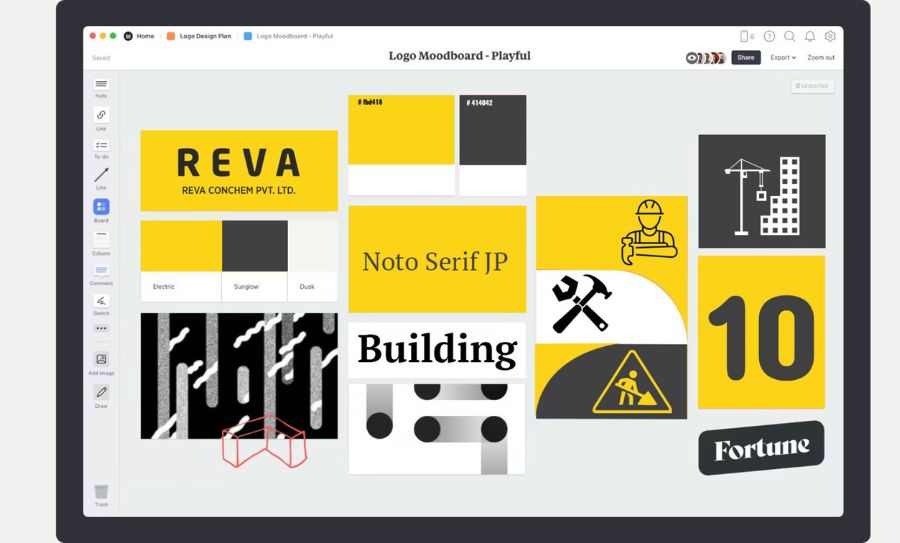
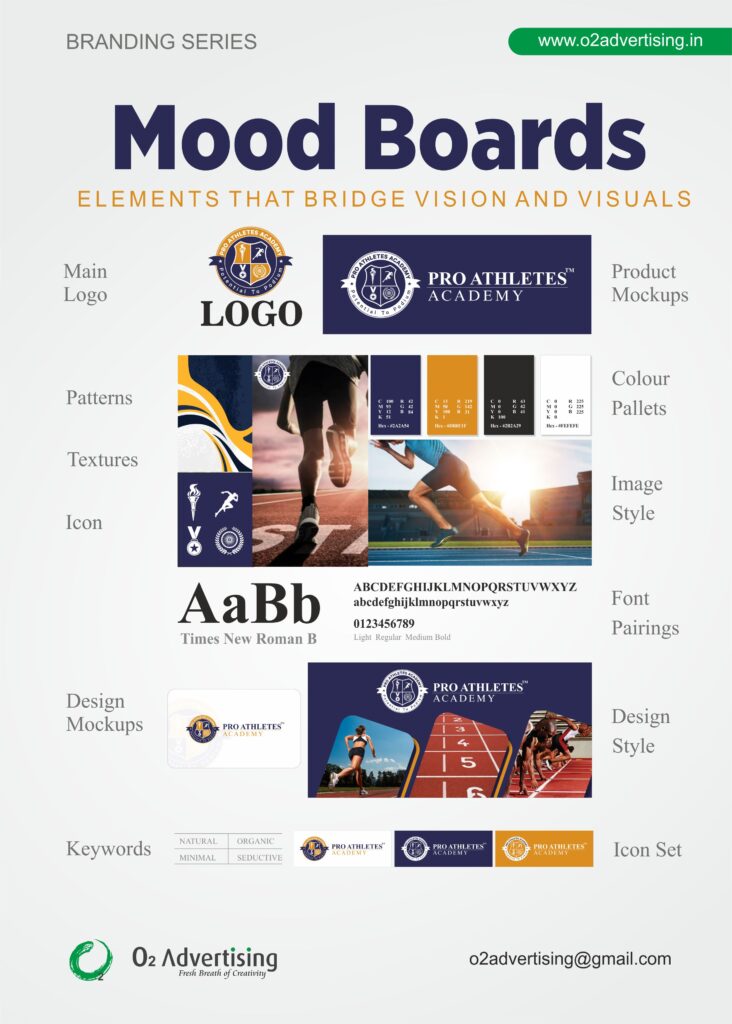
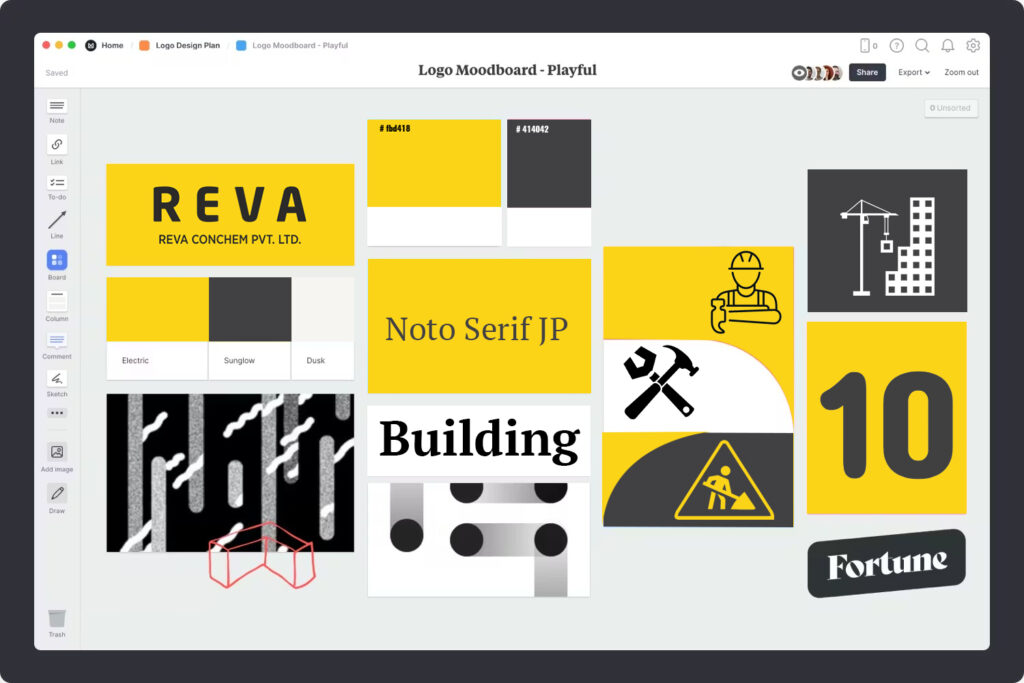
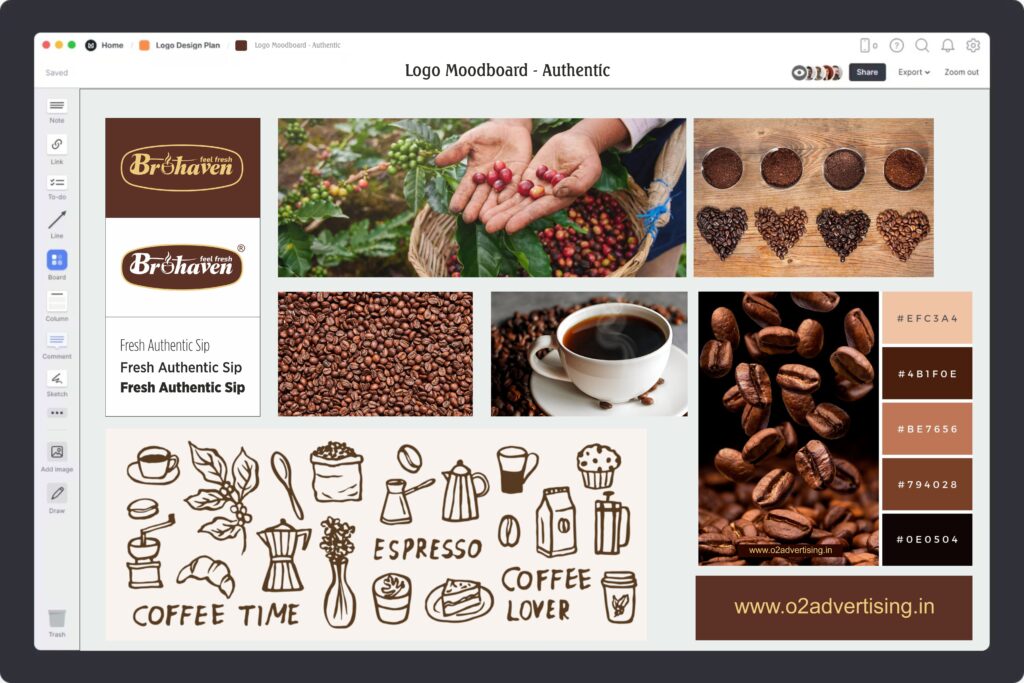
A Mood Board is a curated collage of images, videos, colors, fonts, textures, icons, and visual references that communicate a specific mood, tone, and visual direction.
In the context of Brand Strategy, a Mood Board acts as a visual translation of strategic thinking.
It helps answer questions like:
A strong Mood Board is not decoration—it is a Creative Strategy tool.
Across industries, Mood Boards are used to support Brand Strategy and Creative Strategy, including:
At O2 Advertising, every Brand Strategy exercise begins with a Mood Board.
Before creating a Mood Board, it’s essential to define:
This clarity ensures the Mood Board strengthens Creative Strategy, instead of becoming random inspiration.
Once the direction is defined:
Abstract words like premium, modern, or trustworthy become tangible through a Mood Board.
A Mood Board creates a shared understanding between founders, marketers, designers, and agencies.
Brand Strategy is not just logic—it’s emotion.
A Mood Board defines how the brand should feel.
From logos to campaigns, every creative output stays aligned with the original Creative Strategy.
A clear Mood Board ensures faster approvals and consistent branding.
Step 1: Brainstorm (Creative Strategy First)
Start with thinking, not visuals.
Ask:
Write down keywords, emotions, and references.
Give your Mood Board a strategic name that reflects the Creative Strategy.
Step 2: Collect Elements and Materials
Begin gathering inspiration aligned with the Brand Strategy:
At this stage, focus on exploration.
The Mood Board is still evolving.
Step 3: Curate and Review
Now apply Creative Strategy filters.
A strong Mood Board feels focused and intentional.
Step 4: Organize the Mood Board Systematically
Group elements to support execution:
This turns the Mood Board into a functional Brand Strategy tool.
Step 5: Refine with Strategic Feedback
Share the Mood Board with stakeholders.
Encourage feedback based on:
Refinement strengthens the Creative Strategy.
A complete Mood Board should include:
Every element must support the same Brand Strategy.
At O2 Advertising, we treat the Mood Board as the foundation of Creative Strategy.
A Mood Board is not about trends.
It is about Creative Strategy backed by Brand Strategy.
When strategy defines visuals, brands don’t just look good—
they feel right, stay consistent, and command attention.
At O2 Advertising, every strong brand begins with a Mood Board, guided by clear Creative Strategy and long-term Brand Strategy.

We combine strategy, design and digital into our brand building process so your brand cuts through the noise,
delivers a clear message and gets results.




We combine strategy, design and digital into our brand building process so your brand cuts through the noise,
delivers a clear message and gets results.
Leave a Reply