

10 Economical Marketing Tips Every Startup Should Use to Grow Smartly
For most startups, budget is not just a constraint—it’s a reality. While large brands can afford massive ad spends, startups must rely on smart, economical marketing strategies that deliver maximum impact with minimal investment.
The good news? Some of the most powerful marketing tactics cost little to nothing—if executed well.
Here are 10 highly economical marketing tips every startup can implement from day one.
1. Define a Clear Brand Message Before Spending on Marketing
Why it matters:
- A clear message reduces confusion and improves conversion rates.
- It ensures all marketing efforts communicate the same value.
- Customers remember brands that are easy to understand.
Example:
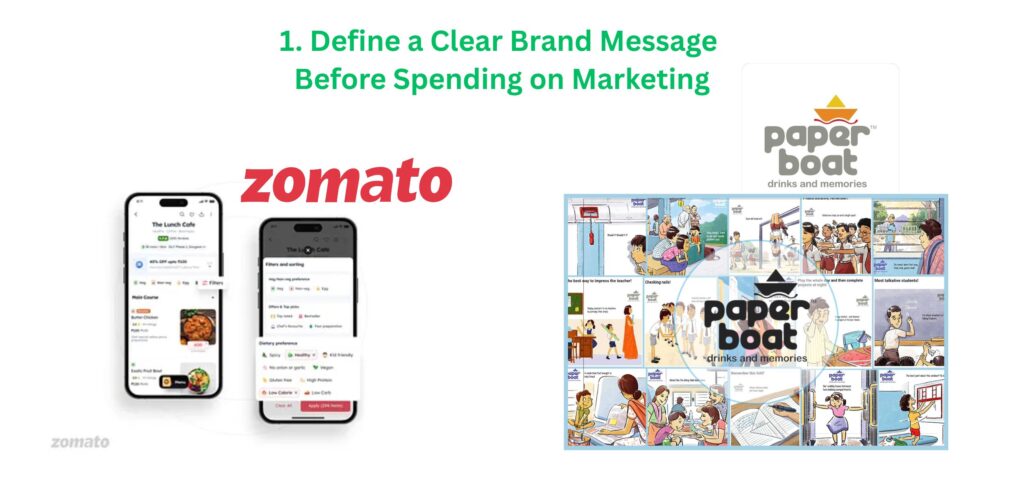
Zomato
In its early days, Zomato focused on one simple problem: people didn’t know what food a restaurant served.
Instead of spending heavily on ads, Zomato built its entire marketing around menu discovery. This clarity helped users instantly understand the value, making organic sharing and word-of-mouth its biggest growth driver.
Paper Boat
Paper Boat didn’t market itself as just another beverage brand.
It positioned itself around nostalgia—childhood memories, traditional drinks, and emotions. This emotional clarity allowed the brand to stand out without aggressive advertising in its initial phase.
2. Use Social Media for Engagement, Not Just Promotion
Why it matters:
- Engagement builds long-term brand loyalty.
- Social algorithms reward interaction with higher organic reach.
- Conversations humanize the brand.
- Reduces dependency on paid advertising.
Example:
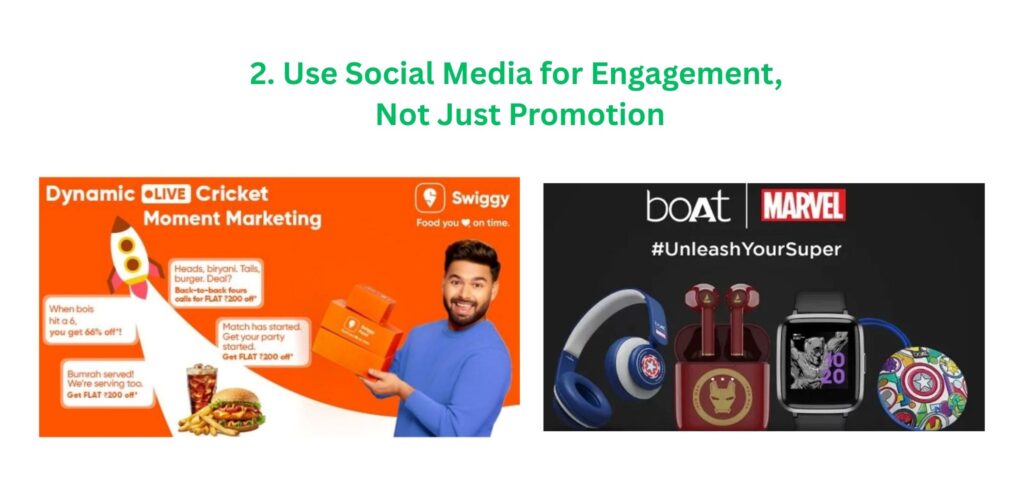
boAt
boAt used social media as a community platform rather than a sales channel. The brand actively replies to comments, reshapes customer posts, and highlights user experiences. This two-way interaction created loyalty and massive organic reach without heavy ad spending.
Swiggy
Swiggy became popular for its witty and relatable social media content. By using humor and real-life situations, the brand increased engagement and recall, proving that creativity can outperform budgets.
3. Make the Founder the Brand Ambassador
Why it matters:
- Founder-led content builds authenticity and trust.
- Personal stories connect emotionally with audiences.
- Increases brand credibility without extra cost.
- Helps differentiate the startup from competitors.
Example:
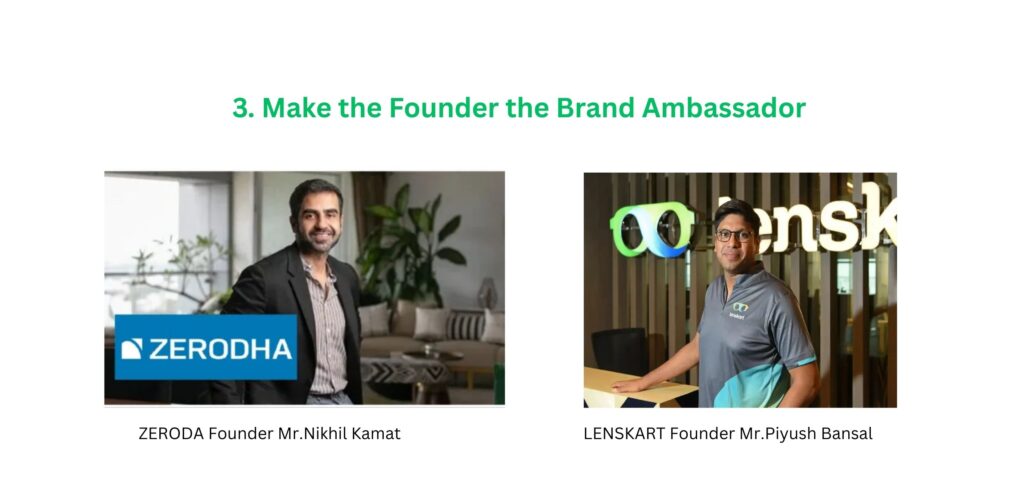
Zerodha
Nithin Kamath openly shares insights about markets, business challenges, and personal lessons. This transparency positioned Zerodha as a trustworthy brand and helped it grow largely through organic credibility rather than aggressive advertising.
Lenskart
Peyush Bansal’s visibility through interviews, social media, and Shark Tank made Lenskart more human and aspirational. His presence helped the brand connect emotionally with young Indian consumers.
4. Leverage WhatsApp for Direct Communication
Why it matters:
- Messages have higher open rates than emails.
- Enables quick, personal customer interactions.
- Reduces customer support and communication costs.
- Strengthens repeat engagement and retention.
Example:
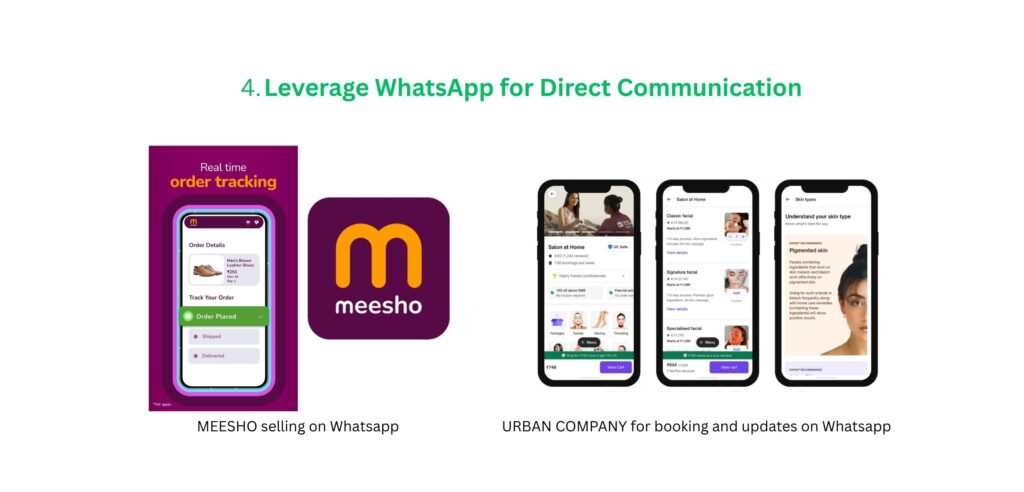
Meesho
Meesho built its reseller ecosystem largely through WhatsApp communication. From training to updates, WhatsApp enabled Meesho to scale without investing heavily in traditional CRM systems.
Urban Company
Urban Company uses WhatsApp for booking updates, service reminders, and customer support. This direct channel improves customer experience while keeping communication costs minimal.
5. Collaborate with Micro-Influencers
Why it matters:
- Micro-influencers offer better engagement at lower cost.
- Their audiences trust them more than celebrities.
- Ideal for niche and local targeting.
- Allows startups to test campaigns with minimal risk.
Example:
Mamaearth
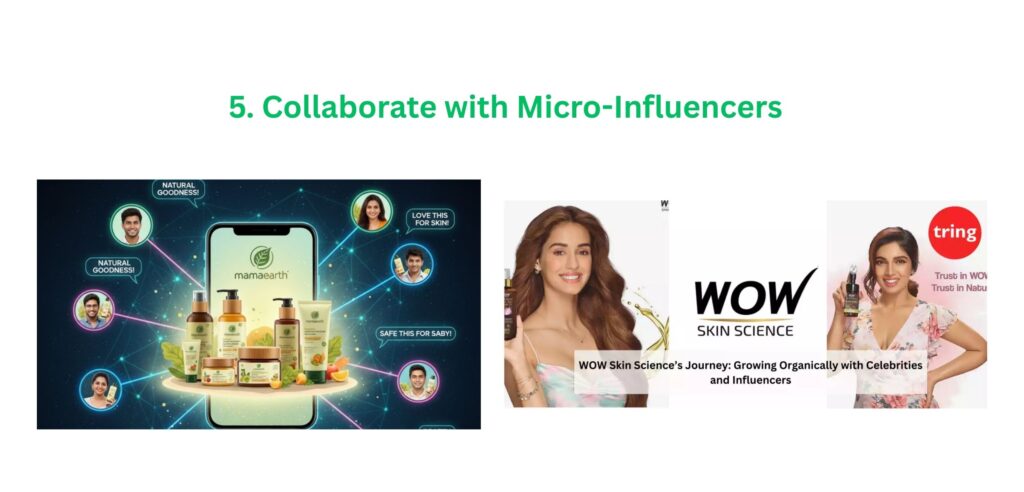
Instead of celebrity endorsements in the beginning, Mamaearth partnered with hundreds of parenting and lifestyle micro-influencers. Honest reviews helped the brand build trust quickly at a fraction of the cost.
WOW Skin Science
WOW focused on creators who demonstrated real product usage. This strategy created authenticity and long-term brand advocacy without heavy spends.
6. Use Customer Reviews as Marketing Assets
Why it matters:
- Reviews act as powerful social proof.
- Builds trust faster than brand-created ads.
- Reduces hesitation in buying decisions.
- Costs nothing but delivers high impact.
Example:
Nykaa
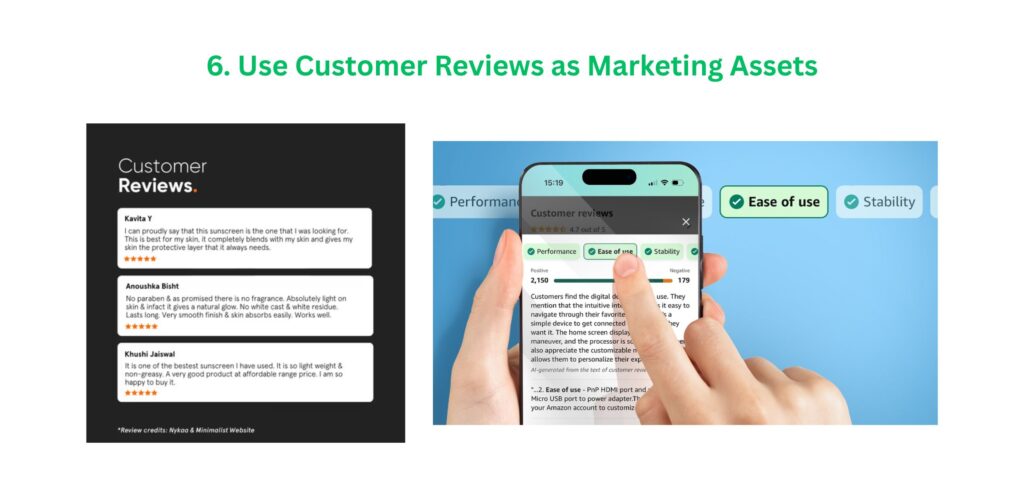
Nykaa highlights real customer reviews prominently, helping shoppers make confident decisions. User feedback became one of its strongest conversion tools.
Amazon India
Amazon India built its platform around customer reviews and ratings, reducing the need for aggressive persuasion through ads.
7. Focus on Educational Content
Why it matters:
- Positions the startup as an industry expert.
- Builds trust before selling.
- Drives long-term organic traffic.
- Improves customer understanding of the product.
Example:

Groww
Groww simplified investing concepts through blogs, videos, and social media posts. This educational approach built trust and attracted first-time investors organically.
UpGrad
UpGrad shares free learning content and career insights, positioning itself as a knowledge leader before pushing paid courses.
8. Optimise Google My Business Profile
Why it matters:
- Improves visibility in local search results.
- Attracts high-intent customers searching nearby.
- Builds credibility through reviews and ratings.
- Generates leads without ad spend.
Example:
Local Clinics on Practo
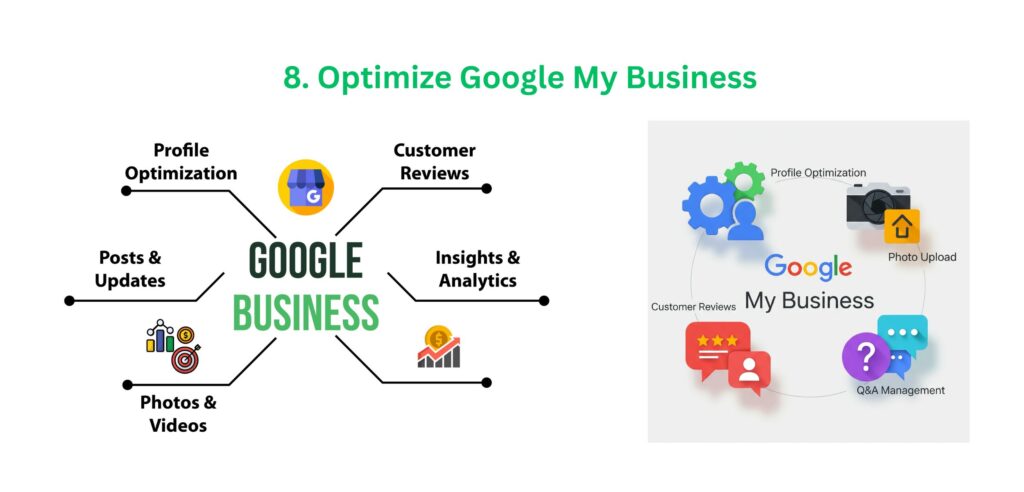
Doctors and clinics gain patient trust through reviews, photos, and updated profiles—often more effective than paid ads.
Small Retail Businesses
Local cafes, gyms, and salons rely on Google listings to drive walk-ins and calls without marketing spend.
9. Repurpose Content Across Platforms
Why it matters:
- Saves time and content creation costs.
- Increases reach across multiple platforms.
- Maintains consistent messaging.
- Maximizes ROI from a single idea.
Example
YourStory
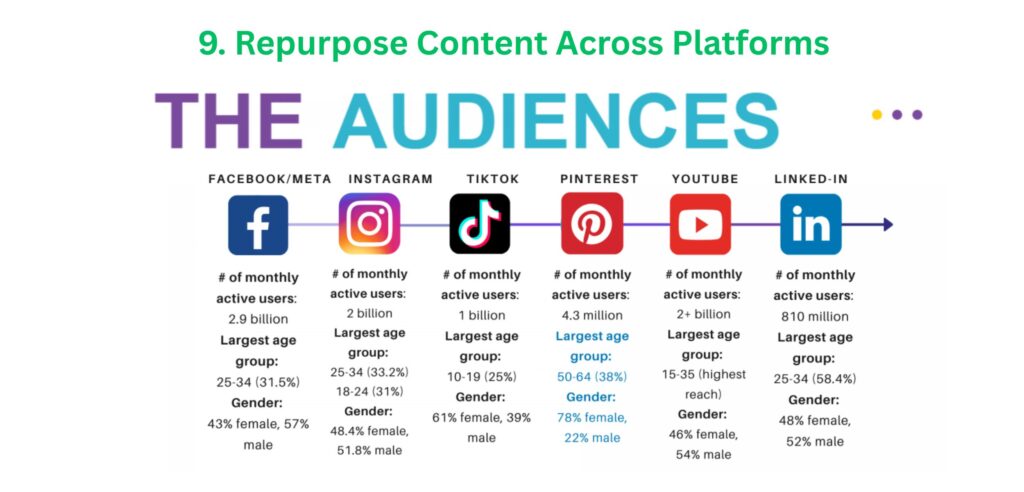
YourStory converts interviews into articles, videos, reels, and quotes. This content efficiency helps them maintain visibility without constant creation.
Finology
Finology repurposes blogs into YouTube videos and Instagram content, maximizing reach from one idea.
10. Track Performance and Scale What Works
Why it matters:
- Helps identify what delivers real results.
- Prevents wasting effort on low-performing strategies.
- Enables data-driven decision-making.
- Ensures sustainable and predictable growth.
Example:
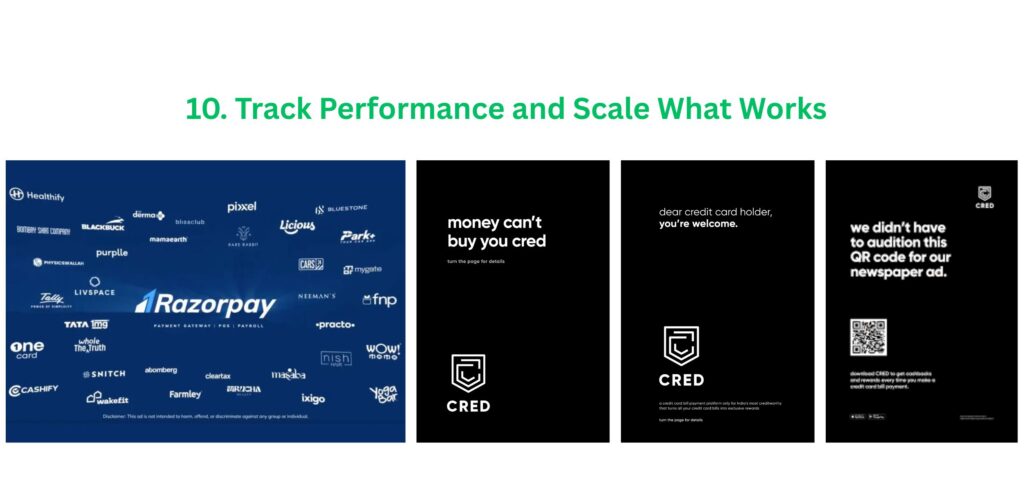
Razorpay
Razorpay tests content formats, messaging, and channels before scaling. This data-driven approach prevents wasted effort.
CRED
CRED experiments with bold messaging on digital platforms, scaling only the campaigns that resonate most with its audience.
Conclusion: Smart Marketing Beats Big Budgets
For startups, marketing is not about spending more—it’s about thinking better. Economical marketing focuses on clarity, consistency, and customer trust rather than flashy campaigns.
By using the right mix of storytelling, community engagement, content, and data, startups can grow sustainably—even with limited budgets.
Remember:
Big brands are built by smart decisions, not big spends.





Leave a Reply