24Nov
How to Create a Premium Brand That Creates Impact
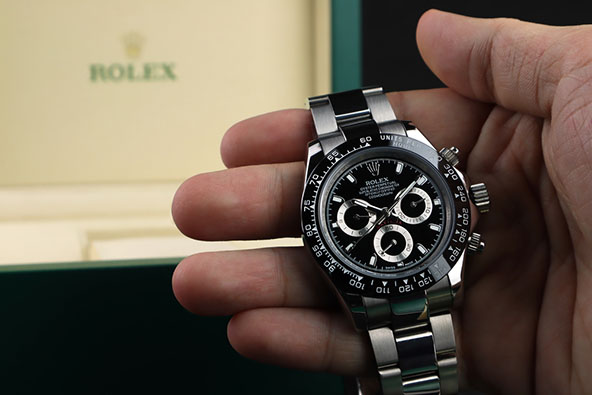


(A Premium Branding, Luxury Branding & Brand Positioning Guide by O2 Advertising)
In a world flooded with choices, premium brands don’t shout — they resonate. They command attention not by being everywhere, but by being exactly where they should be, with clarity, confidence, and consistency.
This premium blog is a deep dive into how premium and luxury brands are built, how they differ, and how businesses can create a high-impact brand presence through strategic positioning, design thinking, and digital execution.
What Is Premium Branding?
Premium branding is the art and science of positioning a brand as superior, desirable, and worth paying more for — not because it is expensive, but because it is valuable.
A premium brand delivers:
Premium branding is not about luxury alone. It is about intentional excellence.
Premium is not a price point. It’s a mindset.
|
In short:
Strong brand positioning answers one simple question:
Why should the customer choose you — even when cheaper options exist?
Premium brand positioning is built on:
Without positioning, even the most beautiful brand fails to create impact.
✅ Dos of Premium Branding
❌ Don’ts of Premium Branding
Premium branding is about clarity, not clutter.
At O2 Advertising, premium brands are not designed — they are discovered, defined, and designed.
STEP 1: DISCOVERY
This is the foundation of impactful premium branding.
Brands are mapped across:
– High value – High price (True Premium)
– High value – Medium price (Smart Premium)
– Low value – High price (Risk Zone)
– Low value – Low price (Commodity)
This grid defines where the brand must exist — not where it wants to.
Once positioning is locked, creativity begins with strategy.
Strategic Mood Boards for Creatives
At O2 Advertising, we present 3 distinct creative directions, each aligned with the brand’s premium positioning:
Each mood board includes:
Mood boards ensure alignment before design execution.
Once a mood board is selected, the brand comes alive.
Design Elements Defined
Every element works together to create a cohesive premium experience.
Premium branding is not anti-digital — it is digitally selective.
Premium ROI comes from perception, not pressure.
Brand Background
A Dubai-based luxury chandelier brand catering to:
The challenge was to position the brand as art, not lighting.
Discovery Insights
Positioning Outcome:
“Architectural Light Sculptures Crafted for Iconic Spaces.”
Strategy & Mood Boards
Three creative routes were proposed:
Royal Heritage – Inspired by Middle Eastern opulence
European Contemporary – Minimal yet artistic
Avant-Garde Sculpture – Statement pieces as art
The client selected Avant-Garde Sculpture.
Design Execution
No price tags. No loud claims. Only presence.
Digital Execution
Result:
Final Thought
Creating a premium brand is not about looking expensive — it’s about being intentional at every touchpoint.
When strategy, design, and storytelling align, brands don’t compete on price — they compete on perception.
Premium brands don’t ask for attention. They earn it.
— O2 Advertising

We combine strategy, design and digital into our brand building process so your brand cuts through the noise,
delivers a clear message and gets results.

We combine strategy, design and digital into our brand building process so your brand cuts through the noise,
delivers a clear message and gets results.
Leave a Reply